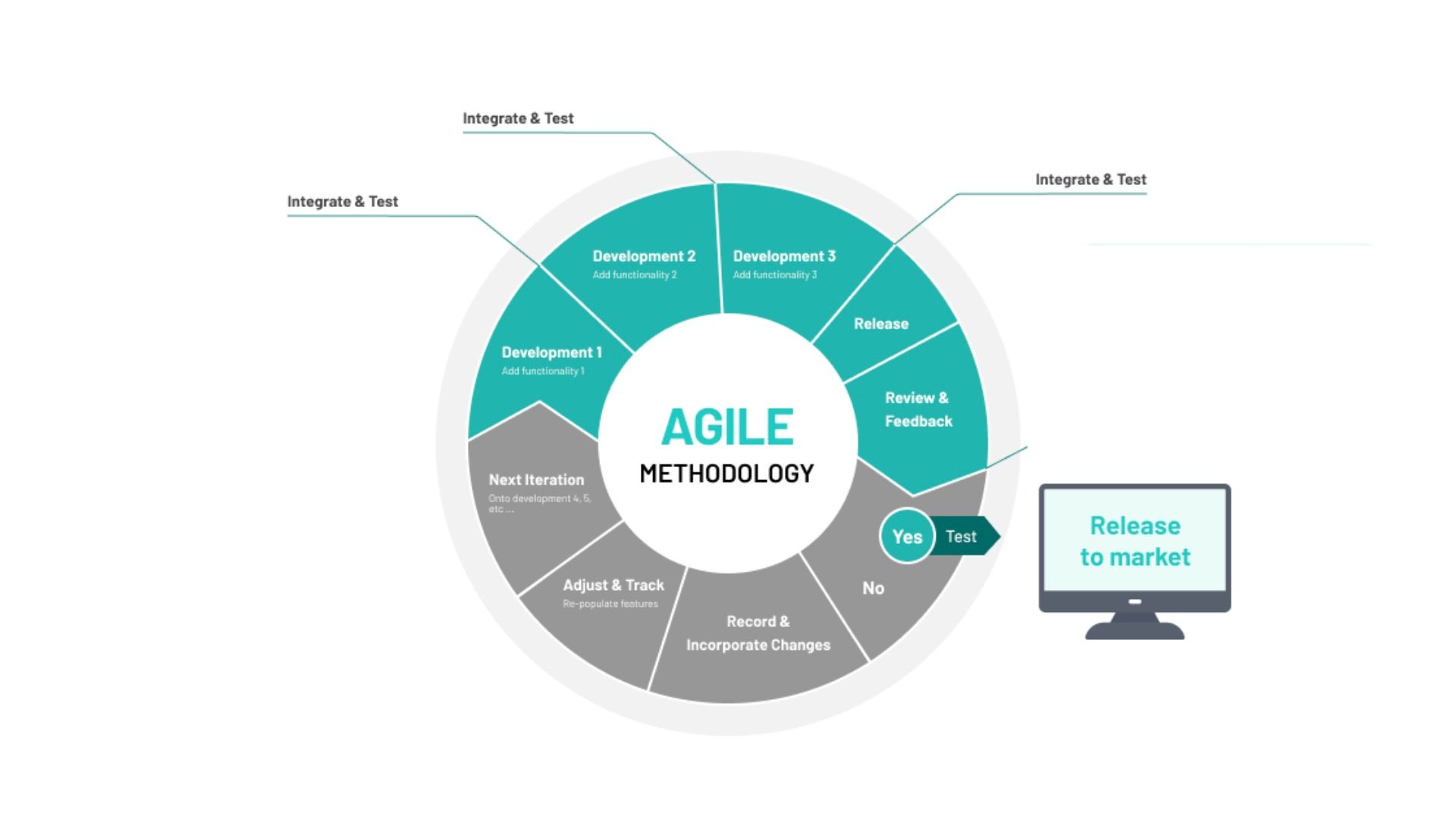
Agile software development has revolutionized how development teams approach project management and product delivery. This methodology emphasizes flexibility, collaboration, and rapid iteration over rigid planning and documentation. Organizations worldwide have embraced agile principles to accelerate delivery, improve product quality, and respond swiftly to changing market demands.
What is Agile Software Development?
Agile software development is an iterative approach to creating software that focuses on continuous delivery, team collaboration, and adaptability to change. Unlike traditional waterfall methodologies that follow sequential phases, agile breaks projects into small, manageable increments called sprints, typically lasting two to four weeks.
The agile methodology emerged from the Agile Manifesto, created in 2001 by seventeen software developers who sought better ways to build software. This manifesto prioritizes individuals and interactions, working software, customer collaboration, and responding to change over rigid processes and comprehensive documentation.
Core Principles of Agile Software Development
1. Customer Satisfaction Through Early and Continuous Delivery
Agile software development prioritizes delivering valuable software to customers quickly and consistently. Rather than waiting months or years for a complete product, agile teams release functional increments regularly, allowing customers to benefit from new features immediately and provide feedback that shapes future development.
This principle ensures that development efforts align closely with customer needs. Teams gather requirements continuously rather than attempting to define everything upfront, recognizing that customer needs evolve as markets change and users gain experience with the product.
2. Welcome Changing Requirements
Traditional methodologies treat changing requirements as disruptions that derail projects. Agile software development embraces change as an opportunity to deliver greater value. Teams maintain flexible backlogs that can accommodate new priorities, ensuring the final product addresses current market conditions rather than outdated assumptions.
This adaptability proves particularly valuable in fast-moving industries where competitive landscapes shift rapidly. Organizations using agile can pivot quickly when new opportunities emerge or when initial assumptions prove incorrect, minimizing wasted effort on features that no longer serve business objectives.
3. Frequent Delivery of Working Software
Agile teams commit to delivering working software at regular intervals, typically every two to four weeks. These frequent releases create a sustainable rhythm that keeps stakeholders engaged and provides regular opportunities to assess progress and adjust priorities.
Short delivery cycles also reduce risk by exposing problems early when they’re easier and less expensive to fix. Rather than discovering integration issues or misunderstandings after months of development, agile software development surfaces these challenges quickly, allowing teams to correct course before significant resources are invested.
4. Collaboration Between Business and Developers
Agile software development breaks down silos between business stakeholders and technical teams. Daily or weekly interactions ensure that developers understand business goals while business leaders appreciate technical constraints and opportunities. This collaboration produces better decisions and stronger alignment throughout the development process.
Cross-functional teams that include developers, testers, designers, and business analysts work together continuously rather than passing work between departments. This integrated approach eliminates communication delays and ensures that diverse perspectives inform every decision.
5. Build Projects Around Motivated Individuals
Agile recognizes that software development is fundamentally a creative, knowledge-intensive activity that requires motivated, skilled professionals. Rather than treating developers as interchangeable resources, agile software development emphasizes building environments that support autonomy, mastery, and purpose.
Teams are empowered to make decisions about how to accomplish their work rather than following prescribed processes. This autonomy increases engagement and allows teams to adapt their approaches to fit specific circumstances, leading to more innovative solutions and higher quality outcomes.
6. Face-to-Face Conversation as Primary Communication
While agile software development certainly accommodates distributed teams through video conferencing and collaboration tools, the methodology emphasizes rich, interactive communication over written documentation. Face-to-face conversations convey nuance and enable rapid clarification that written specifications cannot match.
Daily stand-up meetings, sprint planning sessions, and retrospectives create regular opportunities for team members to synchronize understanding and surface impediments. These interactions build trust and shared context that improve coordination and reduce misunderstandings.
7. Working Software as the Primary Measure of Progress
Agile software development measures success by the amount of valuable, functional software delivered rather than by documents produced or tasks completed. This focus ensures that effort translates into tangible customer value rather than being absorbed by activities that don’t directly contribute to usable products.
Traditional project management often tracks percentage completion of planned activities, which can create an illusion of progress when actual software isn’t functional or doesn’t meet user needs. Agile’s emphasis on working software provides an honest assessment of true progress and forces teams to address integration and quality issues continuously.
Key Benefits of Agile Software Development
Enhanced Product Quality
Agile software development improves quality through multiple mechanisms. Continuous integration and automated testing catch defects early when they’re easiest to fix. Regular customer feedback ensures that features actually solve real problems rather than implementing misunderstood requirements. Iterative development allows teams to refine both code and design progressively rather than attempting to get everything perfect initially.
The practice of developing potentially shippable increments every sprint imposes quality discipline throughout the project. Teams cannot defer quality concerns to a later “hardening” phase because every sprint produces software that must meet production standards.
Faster Time to Market
By delivering working software in short iterations, agile software development enables organizations to release products and features to market significantly faster than traditional approaches. Minimum viable products can reach customers in weeks rather than months, allowing companies to capitalize on opportunities before competitors and begin generating revenue earlier.
This speed advantage compounds over time as organizations learn to optimize their agile practices. Teams become more efficient at estimating, planning, and delivering as they gain experience with agile methodologies.
Improved Risk Management
Agile software development reduces project risk by making problems visible early. Regular demonstrations to stakeholders expose misalignments before significant resources are wasted. Frequent releases limit the amount of work in progress, reducing the potential impact of technical failures or market changes.
The iterative nature of agile allows teams to fail fast and learn quickly. When an approach doesn’t work, teams discover this during a single sprint rather than after months of development, enabling rapid course correction with minimal cost.
Greater Stakeholder Engagement
Regular demonstrations and continuous collaboration keep stakeholders actively involved throughout development. This engagement ensures that products align with business needs and that stakeholders understand progress and constraints. Active stakeholder participation also builds commitment and support for the project.
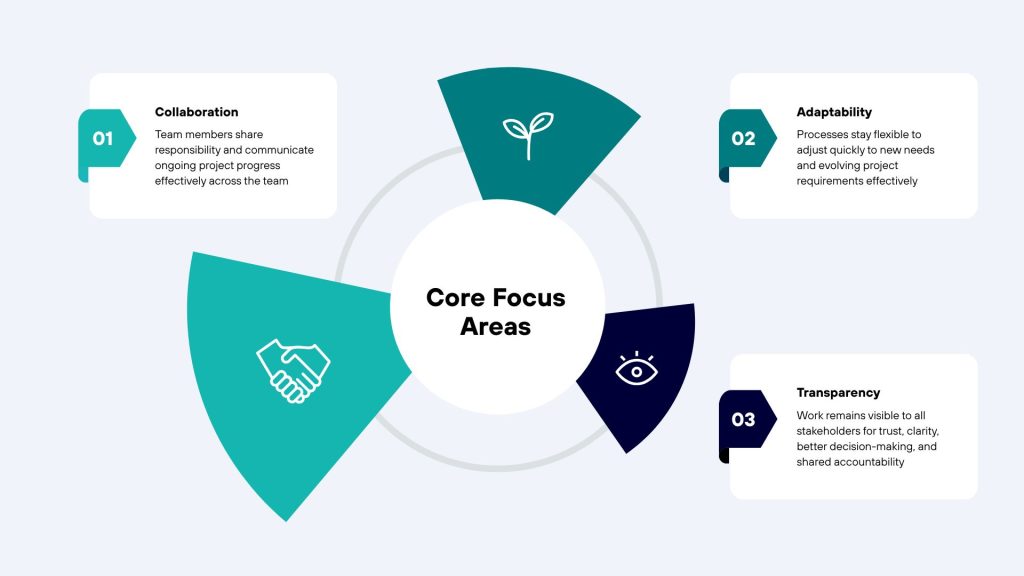
Transparency into team velocity, backlog priorities, and impediments helps stakeholders make informed decisions about scope, timing, and resource allocation. This visibility replaces the uncertainty of traditional projects where stakeholders have limited insight into actual progress until late in the development cycle.
Increased Team Morale and Productivity
Agile software development creates more satisfying work environments by giving teams autonomy, providing regular feedback on their work, and connecting daily activities to meaningful outcomes. Team members see their efforts translated into working software that delights customers rather than disappearing into documentation or abandoned features.
The collaborative nature of agile builds stronger team relationships and shared ownership of outcomes. Retrospectives provide regular opportunities for teams to improve their processes, creating a culture of continuous learning and adaptation.
Better Adaptability to Market Changes
In rapidly evolving markets, the ability to respond quickly to changing conditions provides competitive advantage. Agile software development’s embrace of change enables organizations to pivot when new information emerges or when market conditions shift unexpectedly.
This adaptability extends beyond accommodating changed requirements to fundamentally different approaches to solving problems. Because agile teams work in short cycles, they can experiment with different solutions and quickly adopt whatever proves most effective.
Implementing Agile Software Development Successfully
Start with Agile Principles, Not Just Practices
Many organizations adopt agile practices like daily stand-ups and sprints without embracing underlying principles. Successful agile software development requires cultural change, not just process change. Teams must genuinely commit to collaboration, transparency, and continuous improvement rather than treating agile as a new set of mandatory procedures.
Leadership support proves essential for agile transformation. When executives understand and support agile principles, they create organizational conditions that allow teams to work effectively. This includes accepting that detailed long-term plans will change, that uncertainty is normal, and that teams need autonomy to self-organize.
Invest in Technical Excellence
Agile software development depends on technical practices that enable rapid, sustainable delivery. Test-driven development, continuous integration, automated testing, and refactoring allow teams to maintain code quality while moving quickly. Without these practices, technical debt accumulates rapidly, eventually slowing development to a crawl.
Organizations should provide training and time for teams to develop technical skills and establish good practices. The upfront investment pays dividends as teams become capable of sustaining high velocity indefinitely rather than experiencing the slowdown common in projects that neglect technical excellence.
Focus on Team Dynamics
Agile software development relies heavily on effective teamwork. Organizations should invest in building cohesive teams, providing training in collaboration and communication, and allowing teams to mature together over multiple projects. High-performing agile teams develop shared understanding and efficient communication patterns that dramatically improve productivity.
Creating psychologically safe environments where team members can raise concerns, admit mistakes, and challenge assumptions is crucial. Without safety, teams hide problems until they become crises rather than addressing them early when solutions are easier.
Measure What Matters
Traditional metrics like lines of code or hours worked provide poor insight into agile software development effectiveness. Organizations should focus on metrics that reflect actual value delivery, such as cycle time, deployment frequency, customer satisfaction, and business outcomes achieved.
Leading agile teams also track team health indicators like morale, learning, and psychological safety. These human factors significantly impact sustainable productivity and innovation.
Common Challenges in Agile Software Development
Organizations transitioning to agile software development often encounter resistance from stakeholders accustomed to detailed upfront plans and fixed commitments. Addressing this challenge requires education about agile principles and demonstrating value through successful delivery.
Distributed teams face additional challenges in implementing agile practices designed around face-to-face communication. While remote collaboration tools have improved dramatically, teams must work intentionally to maintain alignment and build relationships across distances.
Scaling agile beyond individual teams introduces complexity. Multiple frameworks address this challenge, but all require careful attention to coordination, architectural decisions, and shared standards while preserving team autonomy.
Conclusion
Agile software development represents a fundamental shift in how organizations approach building software. By embracing change, prioritizing collaboration, and focusing relentlessly on delivering value, agile methodologies enable teams to create better products faster while adapting to evolving needs and market conditions.
Success with agile requires more than adopting new processes. It demands cultural transformation that values individuals, working software, and responsiveness over rigid plans and hierarchical control. Organizations that make this transition gain significant competitive advantages through faster delivery, higher quality, and greater ability to capitalize on emerging opportunities.
As software continues to drive business transformation across industries, agile software development principles provide a proven approach to managing complexity and uncertainty while consistently delivering value to customers and stakeholders. Whether you’re beginning an agile transformation or refining existing practices, focusing on core principles rather than prescribed processes will position your organization for success in an increasingly dynamic business environment.
For more information on agile methodologies, visit the Agile Alliance or explore resources at Scrum.org. Teams seeking to implement agile software development can also benefit from certifications offered by organizations like the Project Management Institute.