
UI/UX design has become the cornerstone of successful digital product design in today’s competitive marketplace. As businesses increasingly prioritize user-centered approaches, understanding the principles and practices of UI/UX design is essential for creating digital products that users love and return to repeatedly.
Understanding UI/UX Design Fundamentals
User Interface (UI) and User Experience (UX) design work together to create compelling digital products, though they serve distinct purposes. UI/UX design encompasses both the visual elements users interact with and the comprehensive journey they experience. While UI focuses on buttons, typography, color schemes, and layouts, UX addresses the entire emotional and functional journey users take through your digital product.
The synergy between these disciplines creates digital experiences that look appealing and function intuitively. Successful UI/UX design means users don’t need to think about navigation, the experience feels natural and effortless from the first interaction.
The Psychology Behind Effective UI/UX Design
Effective digital product design taps into fundamental human psychology. Cognitive load theory suggests that users have limited mental capacity for processing information. Professional UI/UX design practitioners create interfaces that minimize unnecessary complexity, guiding users toward their goals with minimal friction.
Visual hierarchy leverages how humans naturally scan and process information through predictable patterns such as the F-pattern for text-heavy content and the Z-pattern for balanced layouts. Strategic use of size, color, contrast, and whitespace in your UI/UX design directs attention to the most important elements first.
According to research from the Nielsen Norman Group, users form opinions about websites within 50 milliseconds. This emphasizes why first impressions in digital product design matter tremendously. Familiarity breeds comfort, and users bring expectations shaped by thousands of previous digital interactions.
Research-Driven Digital Product Design
No amount of aesthetic polish can compensate for digital products that don’t solve real user problems. User research forms the bedrock of meaningful UI/UX design decisions, including both qualitative methods like interviews and usability testing, and quantitative approaches such as analytics and A/B testing.
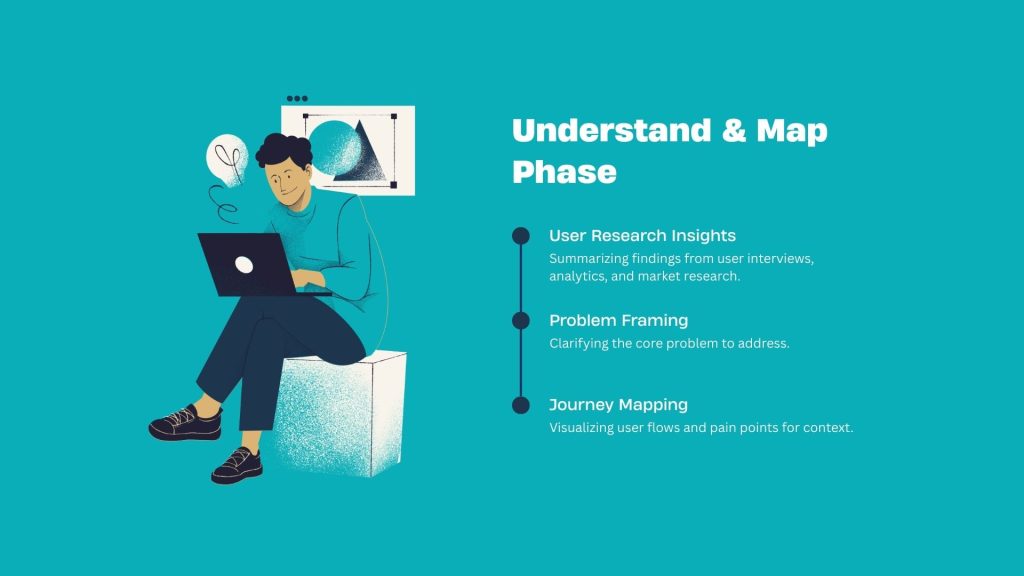
Personas and user journey maps transform abstract data into tangible representations of target users in your digital product design process. These UI/UX design tools help teams empathize with different user segments, understanding their motivations, pain points, and contexts of use. A banking app designed for tech-savvy millennials will employ different UI/UX design principles than one serving elderly users managing retirement accounts.
The Interaction Design Foundation provides extensive resources on conducting effective user research for digital product design projects.
Building Consistent Design Systems
As digital products grow in complexity, maintaining consistency becomes increasingly challenging. Design systems, comprehensive libraries of reusable components, patterns, and guidelines, solve this scalability problem in UI/UX design. They ensure that buttons behave consistently across hundreds of screens, reducing cognitive load and accelerating digital product development.
Beyond efficiency, design systems embody brand identity in your UI/UX design. Every color choice, animation, and interaction pattern communicates your digital product’s personality. Material Design by Google and Apple’s Human Interface Guidelines represent industry-leading approaches to systematic UI/UX design.
Accessibility in UI/UX Design
Inclusive digital product design isn’t optional. Approximately 15% of the world’s population experiences some form of disability, making accessibility a critical component of professional UI/UX design. Designing for accessibility means considering users with visual, auditory, motor, and cognitive differences from the outset.
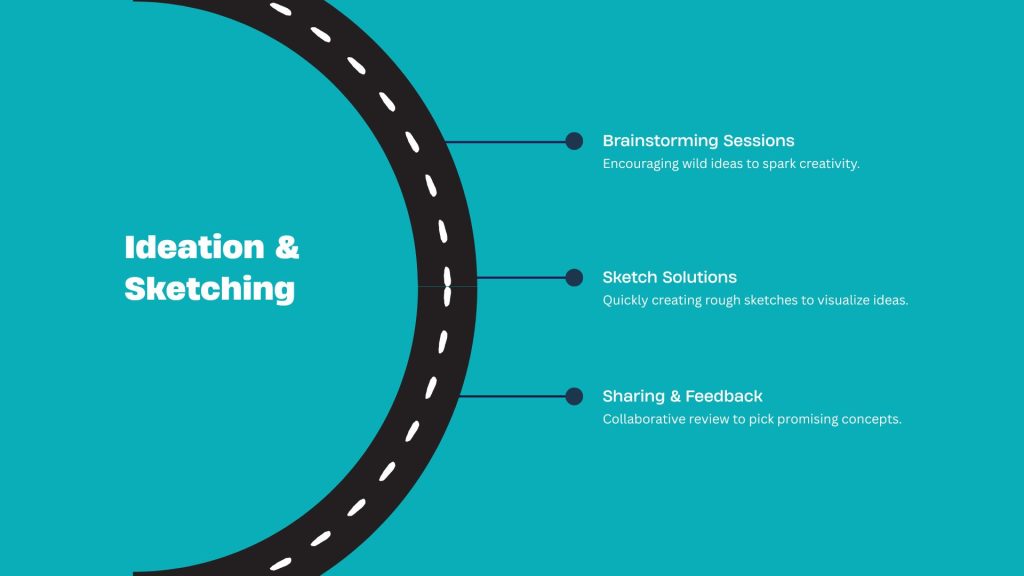
Practical accessibility measures in UI/UX design include proper color contrast ratios, keyboard navigation support, screen reader compatibility, and clear error messaging. The Web Content Accessibility Guidelines (WCAG) provide comprehensive standards for accessible digital product design. These considerations often improve the experience for all users, not just those with disabilities.
Mobile-First UI/UX Design Approaches
With mobile devices accounting for over half of global web traffic, mobile-first approaches have become essential in UI/UX design. This methodology starts with the most constrained screen size in your digital product design, then progressively enhances the experience for larger displays. The discipline of designing for limited space forces prioritization of truly essential features in your UI/UX design.
Responsive UI/UX design adapts layouts fluidly across devices, but true mobile optimization in digital products goes deeper. Touch targets need adequate size and spacing. Load times matter more on cellular connections. Context differs, mobile users are often multitasking, while desktop users may be settling in for focused sessions with your digital product.
The Power of Microinteractions in Digital Products
Microinteractions are small, functional animations and feedback mechanisms that make UI/UX design feel alive. The “pull to refresh” gesture, buttons that pulse when clicked, or progress indicators during file uploads.These subtle details in digital product design provide crucial feedback, confirm actions, and reduce anxiety during wait times.
Well-crafted microinteractions in UI/UX design add personality without overwhelming users. They guide people through your digital products, prevent errors, and create moments of delight that build emotional connections. However, restraint is key in professional digital product design; excessive animation can distract and frustrate users.
Measuring UI/UX Design Success
Effective digital product design is measurable. Key performance indicators for UI/UX design might include task completion rates, time on task, error rates, and user satisfaction scores. Qualitative metrics like Net Promoter Score capture emotional dimensions of your digital product experience.
Analytics tools reveal where users struggle in your UI/UX design.High bounce rates on specific pages, abandoned shopping carts, or features that go unused despite significant development investment. Hotjar and similar platforms provide heatmaps and session recordings showing actual user behavior in digital products, often contradicting what users report in interviews.
Future Trends in Digital Product Design
Emerging technologies continue reshaping UI/UX design possibilities for digital products. Voice interfaces, augmented reality, and artificial intelligence introduce new interaction paradigms that demand fresh approaches to digital product design. AI-powered personalization can create unique UI/UX design experiences for individual users, adapting interfaces based on behavior and preferences.
According to Gartner, AI-driven design tools will assist in creating personalized digital products at scale. However, technology should serve human needs in UI/UX design, not dictate them. The fundamentals remain constant: understand your users, solve real problems, and create digital product experiences that feel effortless.
Conclusion: Mastering UI/UX Design
Enhancing digital products through thoughtful UI/UX design requires balancing art and science, intuition and data, innovation and convention. Professional digital product design demands empathy for users, collaboration across disciplines, and commitment to continuous improvement in your UI/UX design practice.
As digital experiences become increasingly central to daily life, designers who create them bear responsibility for shaping how billions of people interact with technology. Great UI/UX design doesn’t just enhance digital products,it enhances lives. Whether you’re building a mobile app, website, or enterprise software, prioritizing user-centered UI/UX design principles ensures your digital products stand out in today’s competitive landscape.
Ready to improve your digital product design? Start by conducting user research, establishing design systems, and measuring your UI/UX design impact with real data.